
Most digital nomad conversations skip straight past San Francisco on the way to somewhere cheaper and sunnier, and there’s a reasonable argument for that. But for anyone whose income depends on staying plugged into US business hours, client calls, or a tech-adjacent industry that still runs heavily out of the Bay Area, San Francisco solves a problem that Bali or Lisbon simply can’t: it puts you inside the same time zone as the people paying you, in a city built around exactly the kind of remote, flexible work culture that made the digital nomad lifestyle possible in the first place.
Where you base yourself decides how workable the whole stay is
Hayes Valley and the Mission both work well as a base, though for different reasons depending on what a typical day looks like. Hayes Valley runs quieter and more residential, useful for anyone whose schedule involves early client calls with the East Coast or international teams and needs a calmer stretch of neighborhood to work from before the rest of the city wakes up. The Mission, by contrast, has the highest concentration of coffee shops with genuinely fast WiFi and a culture that doesn’t blink at someone camped out for four hours with a laptop. Finding accommodation in San Francisco in either neighborhood, rather than defaulting to somewhere cheaper out near the airport, saves the daily commute time that eats into billable hours fast.
The time zone alignment is the entire pitch
San Francisco runs on Pacific time, which overlaps enough of the working day with both the East Coast and international clients in Europe’s late afternoon to make scheduling calls genuinely manageable, something that’s much harder to pull off from Southeast Asia or South America. A 9am call with a New York client happens at a normal hour here, not at midnight, and that alone removes one of the more exhausting parts of nomad life: constantly recalculating what time it is somewhere else before booking a meeting.
Coworking spaces here are built for people who actually need to focus
The city has one of the highest concentrations of coworking spaces in the country, ranging from larger membership networks to smaller, quieter spaces tucked into converted Victorian buildings in neighborhoods like Hayes Valley. Day passes are common enough that testing a few spaces before committing to a longer membership is standard practice rather than an inconvenience, and most offer meeting rooms bookable by the hour, useful for anyone who needs a proper video call setup rather than a coffee shop corner table.
The coffee shop culture solves the days a coworking desk doesn’t fit
San Francisco’s cafe scene, particularly through the Mission and North Beach, tends to tolerate laptop workers far better than cities where cafes actively discourage lingering. Outlets near most tables, strong WiFi as a baseline expectation rather than a bonus, and a culture where nobody raises an eyebrow at someone nursing one coffee for three hours all make it a genuinely workable backup option on days that don’t call for a full coworking membership.
Public transit here actually gets you where meetings are
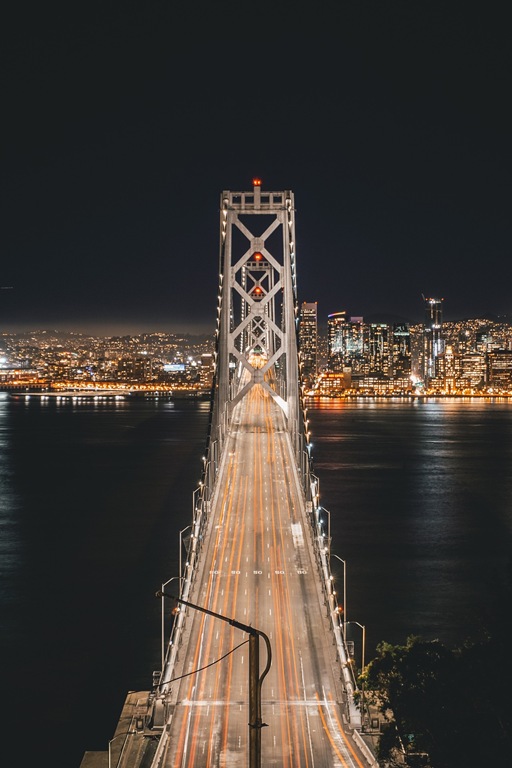
Muni and BART between them cover most of what a working stay in San Francisco needs, connecting the Mission, Hayes Valley, downtown, and the Financial District without requiring a car. This matters more than it sounds like for anyone juggling client meetings across the city on the same day a work block also needs to happen, since a 15-minute BART ride beats sitting in traffic on a rideshare that might not show up on time.
The weekends are what make the trade-off worth it
Unlike some digital nomad hubs where excellent infrastructure comes at the expense of easy access to nature, San Francisco has the Marin Headlands, Golden Gate Park, and the coastline all within a short trip of the city center, genuinely useful for anyone trying to build a work-life balance into a stay rather than just working remotely from a slightly nicer apartment. A Saturday spent hiking the headlands with a view back over the Golden Gate Bridge does more for a burnt-out week than another beach day in a cheaper destination sometimes manages.
The cost trade-off is real, and worth being honest about
San Francisco isn’t a budget nomad destination, and pretending otherwise does nobody any favors. Accommodation and food both run considerably higher than the usual nomad circuit, and anyone coming from Southeast Asia’s cost of living will feel the difference immediately. The trade-off is a functioning time zone, a genuinely fast internet infrastructure, and a business culture that understands remote work rather than treating it as a novelty, which for anyone whose income depends on staying connected to US clients, often justifies the higher cost on its own.
Plan the stay around neighborhoods, not just around work
San Francisco’s fog patterns and microclimates mean the Mission often runs sunnier and warmer than the foggy waterfront on the same afternoon, which matters when picking where to work from on a given day as much as where to live. Grouping errands, calls, and coworking days by neighborhood rather than bouncing across the city saves time that would otherwise go toward commuting between two ends of a fairly spread-out city.
San Francisco isn’t the cheapest place to base a remote work stay, and it was never going to be. But for anyone whose actual income depends on staying synced with US business hours, having reliable coworking infrastructure, and being in a city that treats remote work as completely normal rather than unusual, it solves problems that most nomad hubs quietly ignore. Getting the work-life balance right here means leaning into what the city actually offers outside the laptop, not just working somewhere with better weather than home.

